Loading Radix Peptides
Preparing this page…
Loading Radix Peptides
Preparing this page…
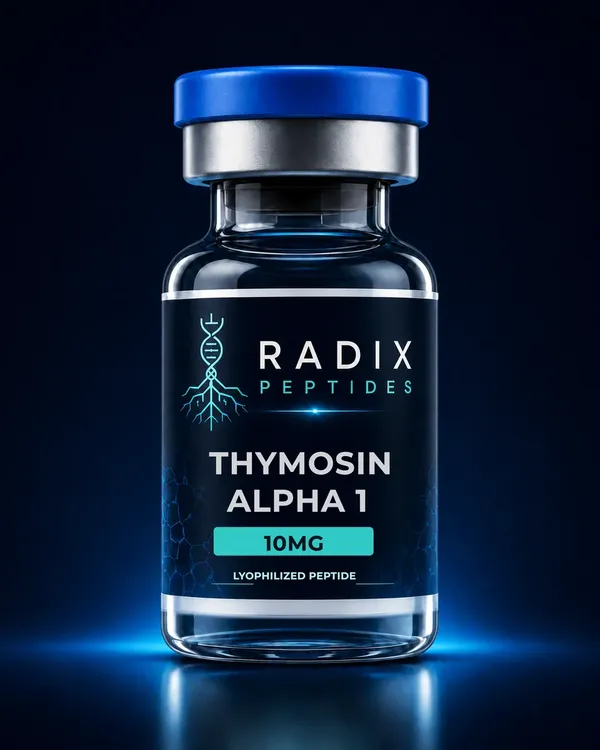
10mg Lyophilized Peptide
A synthetic form of the active region of thymosin β-4 studied in tissue-repair research.
A synthetic form of the active region of thymosin β-4 studied in tissue-repair research. Animal studies have examined angiogenesis, wound-closure rate, inflammation markers, extracellular-matrix production, hair-follicle activity, and recovery following induced cardiac ischemia. Reported effects are specific to the models cited.
TB-500 is the active domain of TB-4, which has a primary role as an actin binding protein. Actin is a critical component of cell structure and makes up microfilaments. Microfilaments are responsible for giving cells their shape, protecting the integrity of cell membranes, allowing cells to move/migrate, and certain steps in cellular reproduction. Actin is also one of the primary components of muscle protein. Without actin, muscles could not contract. Actin binding proteins, like TB-4, sequester actin monomers, the individual units of actin, so that they are protected from degradation and are available for polymerization into microfilaments when needed.
Research in rats has found that TB-500 encourages central and peripheral nervous system tissues to undergo repair and remodeling following injury. Though the exact mechanism has yet to be elucidated, the research indicates that TB-500 activates the cells that support neurons. These cells, called oligodendrocytes, keep neurons healthy[1]. Boosting their activity actually improves blood vessel and neuron growth in brain regions that have been damaged, a significant laboratory result that is reflected in clinically significant improvements in behavior, motor control, and cognitive measurements[2].
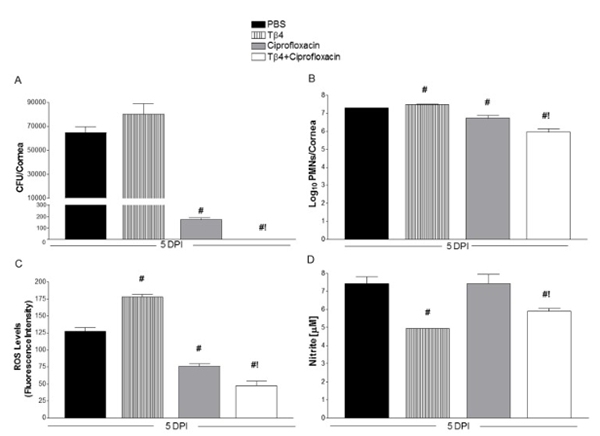
Two decades of research have shown that TB-4 and its derivatives have a number of beneficial effects in the cardiovascular and renal systems. The exact mechanisms of these positive contributions are not clearly understood, however. Research suggests that the benefits are actually due to several mechanisms. First, TB-500 promotes the growth of collateral blood vessels, which is useful both as a preventative and in restoring function following disease. Second, TB-500 encourage endothelial cell migration and myocycte survival following a heart attack.
Finally, it appears that TB-500 works in concert with other natural signaling molecules to reduce inflammation and reduce fibrosis (scar formation)[7].
Recently, research into hydrogels containing a combination of collagen and TB-4 has shown the peptide promotes angiogenesis and epicardial heart cell migration, thus boosting rates of recovering following ischemia and helping to prevent long-term complications by reducing scarring[8].
Research use only. This product is intended strictly for laboratory research and is not for human or veterinary use, diagnosis, or treatment. Read the human-consumption FAQ.
Store lyophilized powder at -20°C, protected from light and moisture. After reconstitution, refrigerate at 2–8°C and use within 30 days. Avoid repeated freeze–thaw cycles.
Published third-party analytical documentation for this research compound.
Load the complete certificate when you are ready to view it. The PDF is not downloaded during the initial page load.
You May Also Like